Average rating 4.9/5 stars across all Google and external reviews
We can ship to EU & other Worldwide Countries. Delivery prices calculate in the checkout when you add delivery country & postcode.
Champagnes or wines shipped outside of the UK are VAT exempt, shipping prices include both shipping price and your Country import taxes & duties, DDP, Delivered Duty Paid.
The checkout will indicate shipping days once destination address is completed.
Advanced checkout allows you to choose multi person deliveries at one address or at different addresses,
we can upload large multi orders from this spreadsheet template
Order 6+ bottles or £250+ and standard delivery is free to one delivery address. Cases can be mixed.
Bought directly from Champagne Bereche UK agent, the bottles are stored in bond at London City Bond Eton Park, in ideal conditions at a constant 13°C. For same-day deliveries, small quantities are kept in our office cellar, where the temperature is maintained between 11–13°C. We source all our bottles directly from the Maison or their official UK office, eliminating the risk of poor storage. This is crucial, as champagne quality is highly sensitive to heat: temperatures above 18°C accelerate maturity significantly, which compromises quality.
Champagne Bérêche et Fils, founded in 1847 and led by brothers Raphaël and Vincent Bérêche, is one of Champagne’s most acclaimed grower producers. The Blanc de Noirs 2019 is made from 100% Pinot Noir from old vines in the Grand Cru village of Mailly. Aged on lees for four years with a low 3.25 g/l dosage, it shows vibrant fruit and a precise, chalky finish.
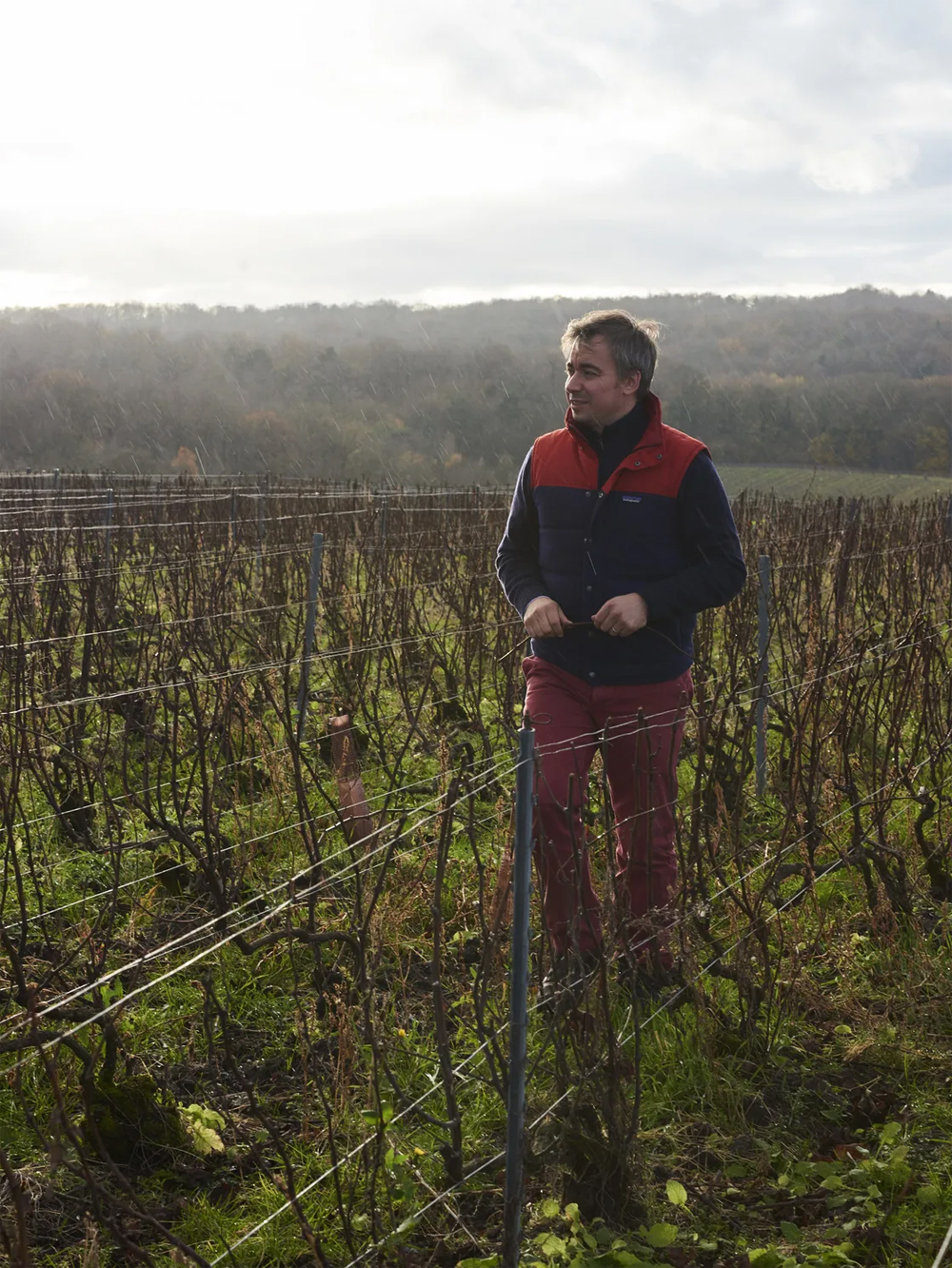
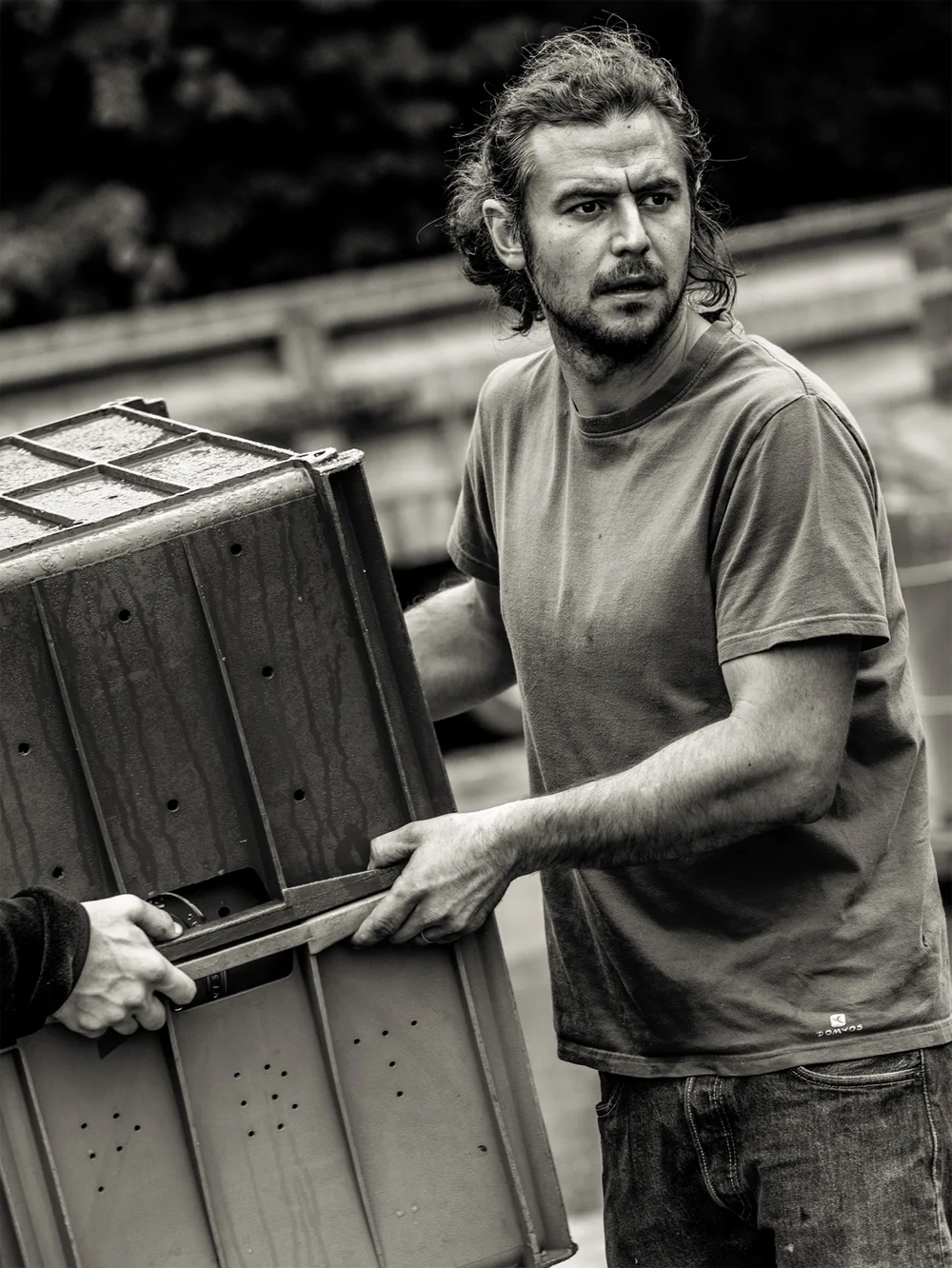
Bérêche & Fils, based in the village of Ludes, just 15 kilometers south of Reims, stands as the premier grower-producer in this hidden gem of the Champagne region. The estate meticulously tends to 26 plots spread across 11.5 hectares, while also sourcing fruit from an additional two hectares in Ambonnay, Cramant and Trépail. Raphaël Bérêche joined his father, Jean-Pierre, at the estate in 2004, and in 2009, Raphaël and his brother, Vincent Bereche, fully assumed control of both the farming and winemaking operations. Their father officially retired in 2012. Although the family initially experimented with organic farming, they found it challenging to maintain consistent yields due to persistent mildew pressure. Today, the estate largely adheres to organic practices, with the exception of mildew control treatments.
The Bérêche family has employed sustainable agricultural methods for over two decades, utilizing lightweight tractors to prevent soil compaction and eliminating herbicides from their practices since 2002. In the cellar, fermentation occurs naturally, progressing slowly at cool temperatures. While some 30% of the vins clairs for their non-vintage Champagnes are vinified in tanks, the rest of their wines are aged in 350-liter barrels for eight to nine months. Before utilizing new barrels (as they do not purchase second-hand ones), they rinse them with tailles, which are subsequently sold off. Their winemaking approach eschews filtration, and racking is conducted by gravity. After barrel aging, the wines spend an additional two months in tanks, with minimal solids during this phase. For all cuvées, except the Brut Réserve, tirage is done using cork instead of a crown cap.
Weather: The 2019 growing period posed many challenges following budbreak in early April, which brought severe spring frosts that took their toll on the vineyards. Early summer was variable, with powdery mildew becoming a serious threat. The summer season saw two heatwaves in June and July, with a record-breaking temperature. As a consequence, scalding destroyed some 10% of the expected harvest. The warm and sunny weather continued throughout August and September, bringing concentration and richness. Cool nights were crucial in helping the grapes retain their fresh acidity. Chardonnay was more problematic in 2019, due to its susceptibility to powdery mildew. A slightly smaller crop was picked, commencing September 2nd. On paper, the potential alcohol level was slightly up from 2018 and the acidity a little higher, thus the balance looks excellent. Initial tasting confirms good tension and fine purity in the wines.
Technical Information:
Vineyards: Grand Cru - Mailly | from three old-vine parcels—Les Chalois, Les Baraquines & Les Côtes
Grape Varieties: 100% Pinot Noir
Lees Ageing: 4 years
Age on vines: 50 Years
Disgorged: July 2024
Dosage: 3.25 g/l
Production: 2175 bottles
Drink: Now for 8 years
Tasting Note:It soars from the glass with a deep bouquet of blood orange, ripe peach and pear, interwoven with nuances of dried flowers and smoke. Sourced predominantly from north-facing sites, it presents a medium- to full-bodied profile, marked by remarkable tension and definition. A vibrant core of youthful, bright fruit is underpinned by mouthwatering acidity, lending it impeccable precision that extends through a searingly chalky, enduring finish. The most accomplished wine from this estate this year, it comes with the highest recommendation. - Tasted by Kristaps Karklins
Bérêche & Fils, based in the village of Ludes, just 15 kilometers south of Reims, stands as the premier grower-producer in this hidden gem of the Champagne region. The estate meticulously tends to 26 plots spread across 11.5 hectares, while also sourcing fruit from an additional two hectares in Ambonnay, Cramant and Trépail. Raphaël Bérêche joined his father, Jean-Pierre, at the estate in 2004, and in 2009, Raphaël and his brother, Vincent, fully assumed control of both the farming and winemaking operations. Their father officially retired in 2012. Although the family initially experimented with organic farming, they found it challenging to maintain consistent yields due to persistent mildew pressure. Today, the estate largely adheres to organic practices, with the exception of mildew control treatments.
The Bérêche family has employed sustainable agricultural methods for over two decades, utilizing lightweight tractors to prevent soil compaction and eliminating herbicides from their practices since 2002. In the cellar, fermentation occurs naturally, progressing slowly at cool temperatures. While some 30% of the vins clairs for their non-vintage Champagnes are vinified in tanks, the rest of their wines are aged in 350-liter barrels for eight to nine months. Before utilizing new barrels (as they do not purchase second-hand ones), they rinse them with tailles, which are subsequently sold off. Their winemaking approach eschews filtration, and racking is conducted by gravity. After barrel aging, the wines spend an additional two months in tanks, with minimal solids during this phase. For all cuvées, except the Brut Réserve, tirage is done using cork instead of a crown cap.
Cellar Master: Raphaël Bérêche
Winery Location: Ludes | Champagne, France
Champagne Region: Ludes
Annual Production (bottles): 85,000 to 125,000
Chef de Cave History at Champagne Bérêche & Fils:
Raphaël Bérêche - 2004 to present - Because it is a small, family-owned grower producer (récoltant-manipulant) rather than a large legacy commercial house, the role of traditional corporate chef de cave does not apply; instead, Raphaël Bérêche directs the cellar work and winemaking, while his brother Vincent manages the vineyards.
Expert Reviews
96/100
Kristaps Karklins
“Issuing from three old-vine parcels—Les Chalois, Les Baraquines and Les Côtes—rooted in deep, iron-rich red clay soils, the 2019 Blanc de Noirs Mailly-Champagne Grand Cru stands as the finest of Bérêche’s village bottlings this year. Disgorged in July 2024 with a dosage of 3.25 grams per liter, it soars from the glass with a deep bouquet of blood orange, ripe peach and pear, interwoven with nuances of dried flowers and smoke. Sourced predominantly from north-facing sites, it presents a medium- to full-bodied profile, marked by remarkable tension and definition. A vibrant core of youthful, bright fruit is underpinned by mouthwatering acidity, lending it impeccable precision that extends through a searingly chalky, enduring finish. The most accomplished wine from this estate this year, it comes with the highest recommendation.”
96/100
Antonio Galloni
“The 2019 Extra-Brut Blanc de Noirs Mailly-Champagne Grand Cru is another fabulous wine in this range from Bérêche et Fils. This north-facing site handled the intense heat of the year especially well. Chalk, licorice, mint, white pepper, cranberry and dried flowers all run through this potent, driving offering. In 2019, the Mailly-Champagne is very clearly a standout. Impressive, and that is an understatement.”