Average rating 4.9/5 stars across all Google and external reviews
We can ship to EU & other Worldwide Countries. Delivery prices calculate in the checkout when you add delivery country & postcode.
Champagnes or wines shipped outside of the UK are VAT exempt, shipping prices include both shipping price and your Country import taxes & duties, DDP, Delivered Duty Paid.
The checkout will indicate shipping days once destination address is completed.
Advanced checkout allows you to choose multi person deliveries at one address or at different addresses,
we can upload large multi orders from this spreadsheet template
Order 6+ bottles or £250+ and standard delivery is free to one delivery address. Cases can be mixed.
Bought directly from Champagne Bereche UK agent, the bottles are stored in bond at London City Bond Eton Park, in ideal conditions at a constant 13°C. For same-day deliveries, small quantities are kept in our office cellar, where the temperature is maintained between 11–13°C. We source all our bottles directly from the Maison or their official UK office, eliminating the risk of poor storage. This is crucial, as champagne quality is highly sensitive to heat: temperatures above 18°C accelerate maturity significantly, which compromises quality.
Bottles Available:
35 × 75cl from 18th Nov We keep some stock in our London Warehouse. Large volumes take 24 hours from our out of London warehouse.
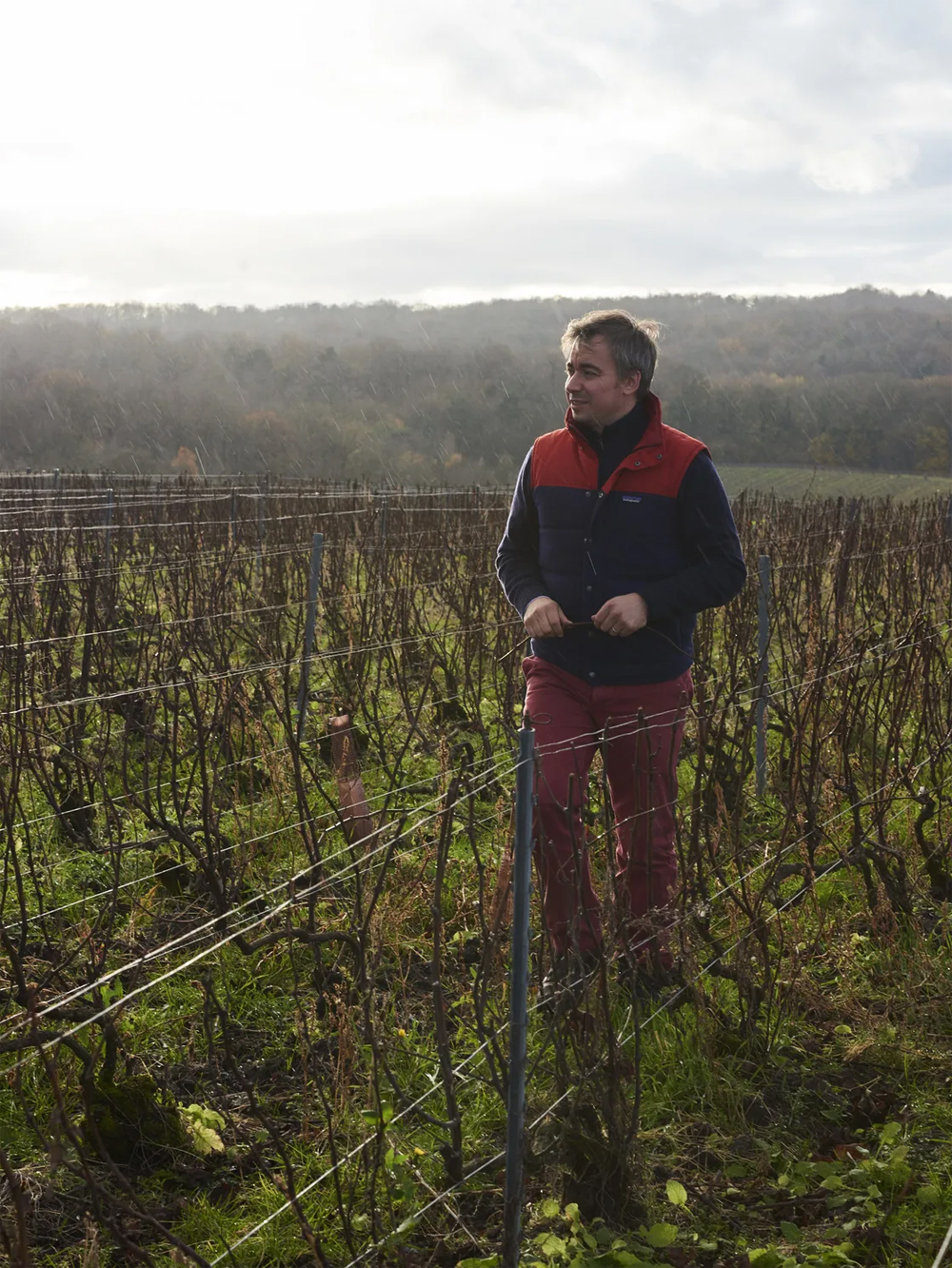
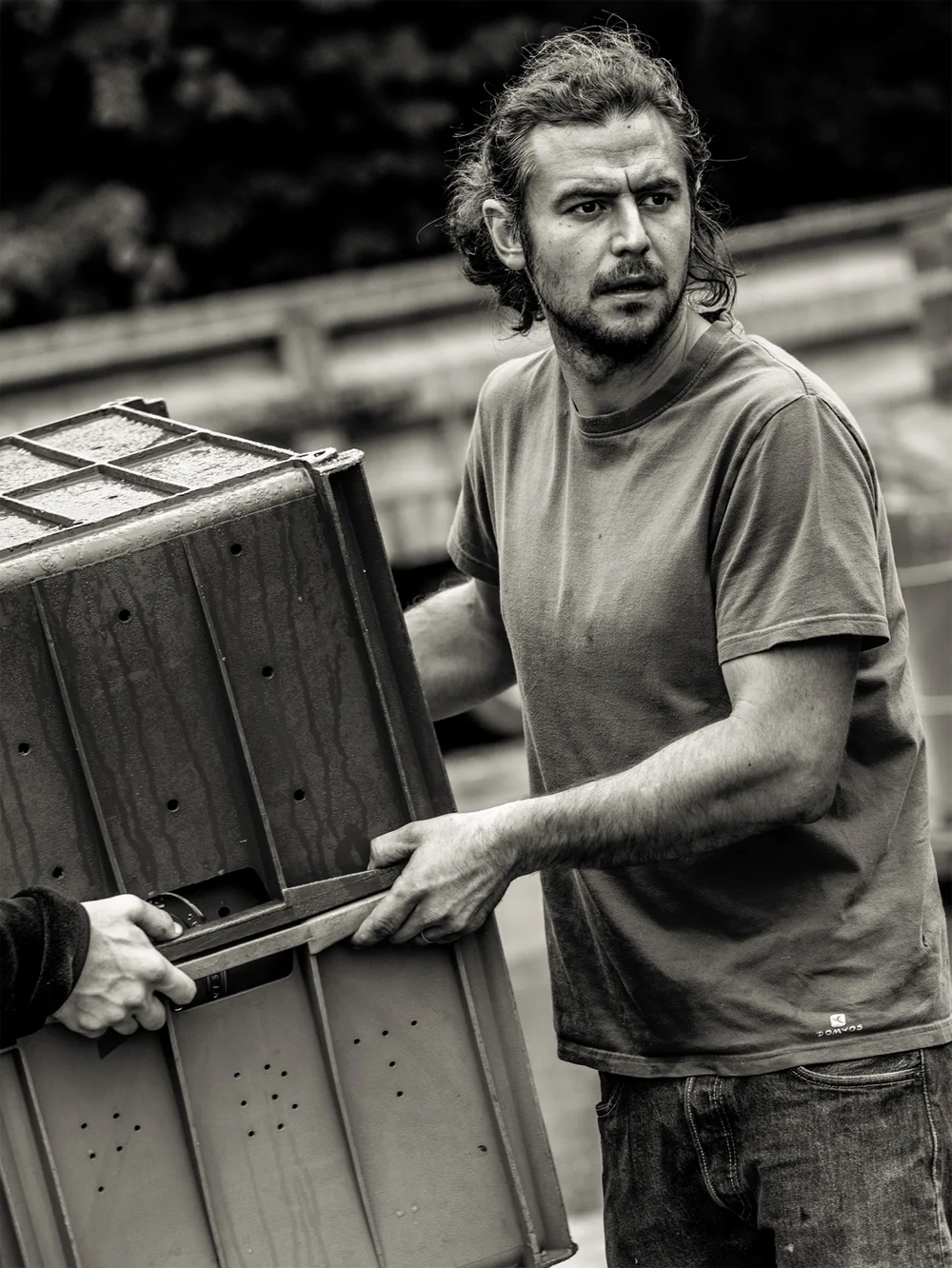
Bérêche & Fils, based in the village of Ludes, just 15 kilometers south of Reims, stands as the premier grower-producer in this hidden gem of the Champagne region. The estate meticulously tends to 26 plots spread across 11.5 hectares, while also sourcing fruit from an additional two hectares in Ambonnay, Cramant and Trépail. Raphaël Bérêche joined his father, Jean-Pierre, at the estate in 2004, and in 2009, Raphaël and his brother, Vincent Bereche, fully assumed control of both the farming and winemaking operations. Their father officially retired in 2012. Although the family initially experimented with organic farming, they found it challenging to maintain consistent yields due to persistent mildew pressure. Today, the estate largely adheres to organic practices, with the exception of mildew control treatments.
The Bérêche family has employed sustainable agricultural methods for over two decades, utilizing lightweight tractors to prevent soil compaction and eliminating herbicides from their practices since 2002. In the cellar, fermentation occurs naturally, progressing slowly at cool temperatures. While some 30% of the vins clairs for their non-vintage Champagnes are vinified in tanks, the rest of their wines are aged in 350-liter barrels for eight to nine months. Before utilizing new barrels (as they do not purchase second-hand ones), they rinse them with tailles, which are subsequently sold off. Their winemaking approach eschews filtration, and racking is conducted by gravity. After barrel aging, the wines spend an additional two months in tanks, with minimal solids during this phase. For all cuvées, except the Brut Réserve, tirage is done using cork instead of a crown cap.
Weather: The 2023 Champagne vintage was shaped by a generous growing season followed by a challenging, humid finish that demanded careful vineyard management and rigorous fruit selection. After a mild, relatively dry winter, spring rains replenished water reserves and encouraged healthy vine growth, while flowering conditions in June were near perfect, resulting in exceptionally large bunches and high potential yields. The first half of summer was calm and favourable, but persistent rain and humidity through August increased pressure from botrytis and sour rot, particularly in Pinot Noir and Meunier parcels. A warm, dry September helped accelerate ripening and allowed growers to harvest fruit with good aromatic maturity and balanced acidity, although success depended heavily on sorting and vineyard discipline. Chardonnay performed especially well across the region, producing wines with freshness and purity, while the best overall 2023 Champagnes are expected to show generous fruit, supple texture, moderate acidity, and early charm combined with impressive balance.
Technical Information:
Vineyards: Premier & Grand Cru - Ludes, Ormes, Trepail & Vallee De La Marne | Mareuil-Le-Port & Ay
Grape Varieties: 30% Chardonnay, 30% Meunier & 40% Pinot Noir
Base Vintage: 2023
Lees Ageing: 2 years
Reserve wines: 35% from 2022, 2021 & 2020
Age on vines: 43 Years
Disgorged: January 2026
Dosage: 4.4 g/l
Elevage: 70% in cask and 30% in tank
Production: 90,000 Bottles, 3,995 Magnums & 300 Jeroboams
Drink: Now to 5 years +
Tasting Note:Aromas of peach, yellow apple and lemon confit mingled with notes of freshly baked bread. Medium- to full-bodied, ample and pillowy, it is built around a generous core of fruit, with a textural attack and ripe yet racy acidity, concluding with a long, chalky finish. A touch more demonstrative and broad-shouldered than the 2022-based rendition, it nevertheless remains a superb introduction to the Bérêche style - Tasted by Kristaps Karklins
Bérêche & Fils, based in the village of Ludes, just 15 kilometers south of Reims, stands as the premier grower-producer in this hidden gem of the Champagne region. The estate meticulously tends to 26 plots spread across 11.5 hectares, while also sourcing fruit from an additional two hectares in Ambonnay, Cramant and Trépail. Raphaël Bérêche joined his father, Jean-Pierre, at the estate in 2004, and in 2009, Raphaël and his brother, Vincent, fully assumed control of both the farming and winemaking operations. Their father officially retired in 2012. Although the family initially experimented with organic farming, they found it challenging to maintain consistent yields due to persistent mildew pressure. Today, the estate largely adheres to organic practices, with the exception of mildew control treatments.
The Bérêche family has employed sustainable agricultural methods for over two decades, utilizing lightweight tractors to prevent soil compaction and eliminating herbicides from their practices since 2002. In the cellar, fermentation occurs naturally, progressing slowly at cool temperatures. While some 30% of the vins clairs for their non-vintage Champagnes are vinified in tanks, the rest of their wines are aged in 350-liter barrels for eight to nine months. Before utilizing new barrels (as they do not purchase second-hand ones), they rinse them with tailles, which are subsequently sold off. Their winemaking approach eschews filtration, and racking is conducted by gravity. After barrel aging, the wines spend an additional two months in tanks, with minimal solids during this phase. For all cuvées, except the Brut Réserve, tirage is done using cork instead of a crown cap.
Cellar Master: Raphaël Bérêche
Winery Location: Ludes | Champagne, France
Champagne Region: Ludes
Annual Production (bottles): 85,000 to 125,000
Chef de Cave History at Champagne Bérêche & Fils:
Raphaël Bérêche - 2004 to present - Because it is a small, family-owned grower producer (récoltant-manipulant) rather than a large legacy commercial house, the role of traditional corporate chef de cave does not apply; instead, Raphaël Bérêche directs the cellar work and winemaking, while his brother Vincent manages the vineyards.
Expert Reviews
92/100
Kristaps Karklins
“Anchored in the 2023 vintage and disgorged in January 2026 with a dosage of 4.4 grams per liter, the NV Brut Réserve offers aromas of peach, yellow apple and lemon confit mingled with notes of freshly baked bread. Medium- to full-bodied, ample and pillowy, it is built around a generous core of fruit, with a textural attack and ripe yet racy acidity, concluding with a long, chalky finish. A touch more demonstrative and broad-shouldered than the 2022-based rendition, it nevertheless remains a superb introduction to the Bérêche style and can be purchased by the case. While already approachable, it will improve with additional time on cork. Produced in quantities of approximately 100,000 bottles a year, it remains one of Champagne's most reliable entry-level cuvées.”