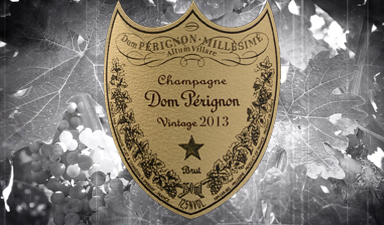
Dom Pérignon is only available as a vintage champagne and is only produced in exceptional years. Each vintage is a creation, singular and unique, that expresses both the character of the year, and the character of Dom Pérignon. After at least eight years of lees ageing in the cellars, the wine enters its first phase of interest, Plenitude 1, showing quite youthful fruit and broad texture from the lees contact. The signature Dom Pérignon aromatic is that "hint smoky" character a result of the reductive winemaking where they go to extreme lengths to keep each step of the winemaking process free of oxygen. With every sip of Dom Perignon you always have that purity of fruit character, depending on the vintage you normally see the Pinot Noir fruit dominate, which are those red fruits like raspberry, peach and dark cherry. The Chardonnay adds a supporting layer of chalky texture and delicious fruit in the yellow spectrum like plum, apple and tropical notes of pineapple.
Weather: The 1999 season began with hailstorms in May which destroyed many vines, though as the year went on warmer weather prevailed throughout July and August. The year developed promisingly with high expectations, until heavy rainfall in the second week of September contributed to the loss of many crops. Despite the rain the grapes had maturated well in the long summer and early concerns over dilution of flavour never became an issue.
News Article: Read more about Dom Pérignon 1999 in the review of our vertical tasting of Dom Pérignon vintages
here.
Technical Information:
Vineyards: 100% Grand & Premier Cru
Grape Varieties: 51% Chardonnay, 49% Pinot Noir
Ageing: 8 years on the lees
Dosage: 6 g/l
Drink: Now to 2028
Tasting Note: Now some years on from the initial release, these champagnes are starting to show how good they are. On the nose hints of ripe fruits and toastiness lead to a palate full of flavour. Exotic fruits combine with a slight touch of that creamy vanilla richness from its long ageing both on and off the lees. A full and lasting finish pays compliment to a vintage that today is showing better than ever.
Uniquely only available as a vintage champagne produced in exceptional years from just two grape varieties, Chardonnay and Pinot Noir, Dom Pérignon is an iconic wine with an unrivalled heritage. Often considered one of the founding fathers of Champagne itself, the Benedictine Monk Dom Pierre Pérignon spent forty-seven years working between 1668 and 1715 in the historic Abbey of Hautvillers pursuing his ambition to create the "best wine in the world".
Each vintage is a creation, singular and unique, that expresses both the character of the year, and the character of Dom Pérignon. After at least eight years of lees ageing in the cellars, the wine enters its first phase of interest, Plenitude 1, showing quite youthful fruit and broad texture from the lees contact. The signature Dom Pérignon aromatic is that "hint smoky" character a result of the reductive winemaking where they go to extreme lengths to keep each step of the winemaking process free of oxygen. With every sip of Dom Perignon you always have that purity of fruit character, depending on the vintage you normally see the Pinot Noir fruit dominate, which are those red fruits like raspberry, peach and dark cherry. The Chardonnay adds a supporting layer of chalky texture and delicious fruit in the yellow spectrum like plum, apple and tropical notes of pineapple.
Based on Grand Cru villages plus one premier cru villages of Hautvillers, a wine of tension, power and long-ageing endurance and has been the vision of talented Chef de Cave, Vincent Chaperon, for over two and a half decades.
Chef de Cave History at Champagne Dom Perignon:
Vincent Chaperon 2019 to current | Joined Moët & Chandon in 1999 then in 2005 he joined Dom Pérignon as head of red winemaking for Dom Pérignon Rosé. The 2009 Dom Pérignon Rosé saw a reduction in the still Pinot Noir content to about 10%, down from previous levels that reached up to 28% in earlier vintages like 2004 and 2005. This adjustment aimed to create a Rosé with greater finesse and a more harmonious profile, aligning with Chaperon's vision for the wine. His meeting with Richard Geoffroy proved decisive, the beginning of a thirteen-year apprenticeship during which the two engaged in an ongoing dialogue with one another. The handover took place on January 1, 2019 when Vincent Chaperon became Chef de Cave of Dom Pérignon.
Richard Geoffroy 1990 - 2018 | Joined the Moët & Chandon winemaking team in 1985, working with Dominique Foulon, chef de cave across both Moët and Dom Pérignon Champagnes at the time. Geoffroy's talents were quickly recognized; in 1990, he was named chef de cave of Dom Pérignon, mentored by Foulon until Foulon's retirement in 2000. Geoffroy was known for his 15 vintages of Dom Pérignon.
Dominique Foulon 1975 - 1990 | Under Foulon's guidance, Dom Pérignon produced several acclaimed vintages, including the 1975, which has been recognized for its quality and longevity. Foulon was known for his adherence to traditional Champagne-making techniques and his focus on creating wines with balance and aging potential. His approach laid the groundwork for the innovations that Geoffroy and subsequent Chefs de Cave would introduce. He played a crucial role in mentoring Richard Geoffroy.
André Bavaret 1940s – 1950s | One of the earliest cellar masters linked to the refinement of Dom Pérignon’s early vintages.