Checkout Allows Multi-Address
& Multi Person Drops
Same Day In/Near London
From £9.00
Free 2 Day Delivery
On £250+ or 6 bottles (UK Mainland)
Wrapping, Cards
& Messages
Worldwide Shipping
From £30.00
In Bond Sales
Store with us or Transfer
Same Day
Delivery
Delivery
Average Review Score: 4.9

Same Day
Delivery
Delivery
Average Review Score: 4.9
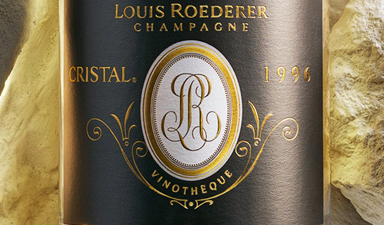
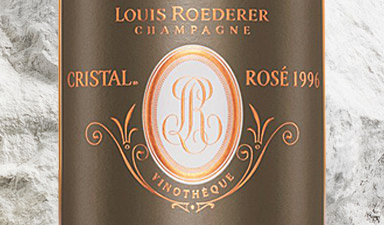
Champagne Vintage 1996
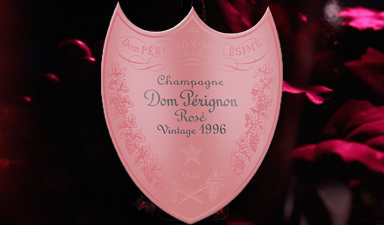
This remarkable harvest year was marked by alternating warm and cool spells. Strong winds from the north were responsible for dehydration of the berries, which led to extraordinary concentration, and cool September nights kept the acidity high. The harvest was spread between September 14th and mid-October and took place largely under clear skies. It resulted in a bumper crop (10,332 kg/ha) of grapes displaying amazing ripeness. Such sugar-to-acid ratio was unforeseen in the region and the wines are marked by an accentuated acidity averaging as high as 10.0 g/l, with potential alcohol levels reaching an average of 10.3%. Originally the vintage was very much hyped, but we have since witnessed a number of disappointing Champagnes from the year displaying either premature oxidation or razor-sharp unbalanced acidity - or both. Nevertheless, the majestic character of the best Champagnes renders the vintage deserving of the full five stars even if the results are far from uniform. Its most successful bottlings include Deutz Cuvée William Deutz Rosé, Dom Pérignon (the entire range), Krug Clos du Mesnil, Louis Roederer Cristal and Taittinger Comtes de Champagne.