Joseph Krug founded the house in 1843 after learning winemaking at Champagne Jacquesson, driven to craft the finest champagne every year, regardless of climate. By honouring each vineyard's individuality and creating a vast reserve library, he achieved his dream & Krug Grande Cuvée 1st Edition was born.
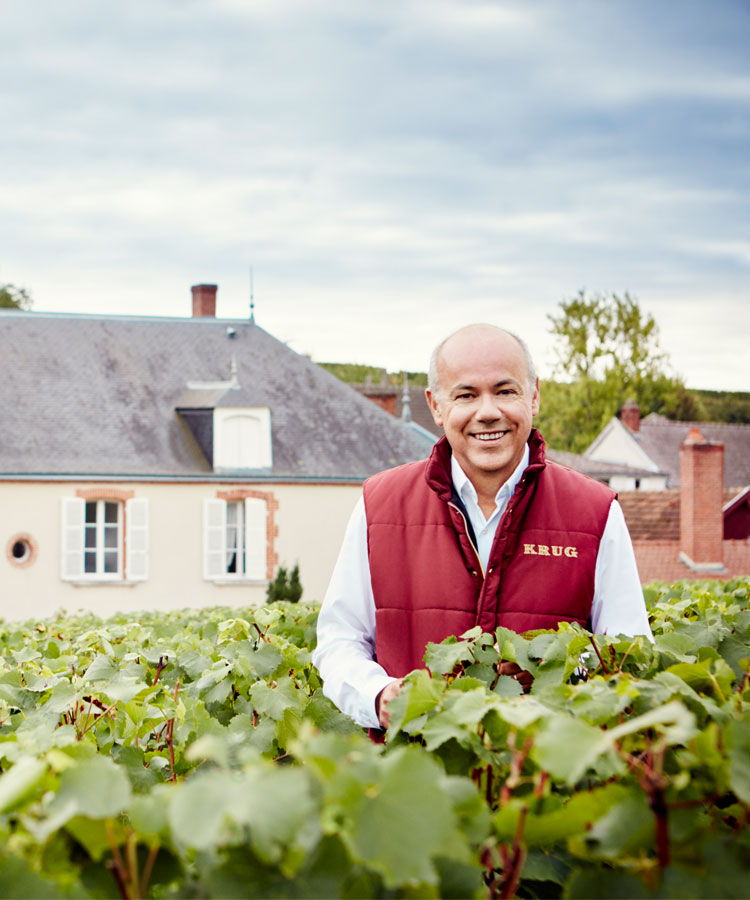
In the 1970s, Henri and Rémi Krug modernized production, acquired Clos du Mesnil, 1st vintage 1979, launched Krug Rosé in 1983 and purchased Clos d'Ambonnay in 1991, first vintage 1995. LVMH acquired Krug in 1999; Henri and Rémi stepped down in 2007. Since 2009, Olivier Krug, the sixth generation, is Director of Krug.
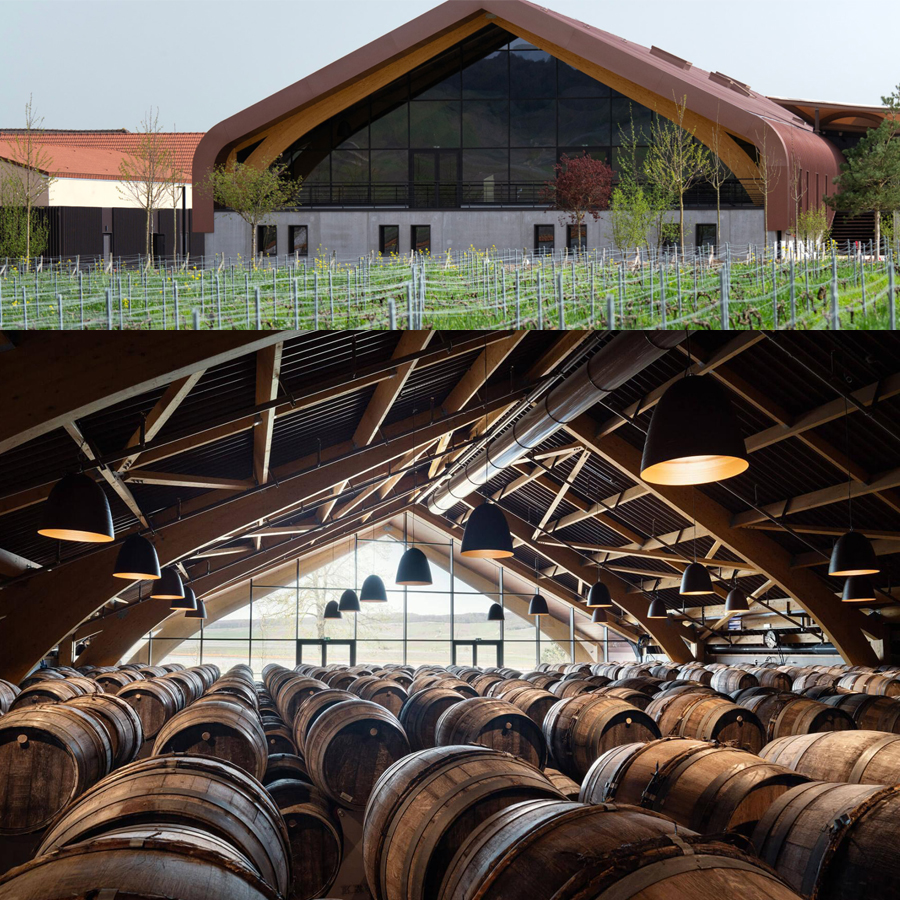
In 2024, Krug completed
Joseph, its new state-of-the-art sustainable winery in the village of Ambonnay, awarded exceptional HQE certification.
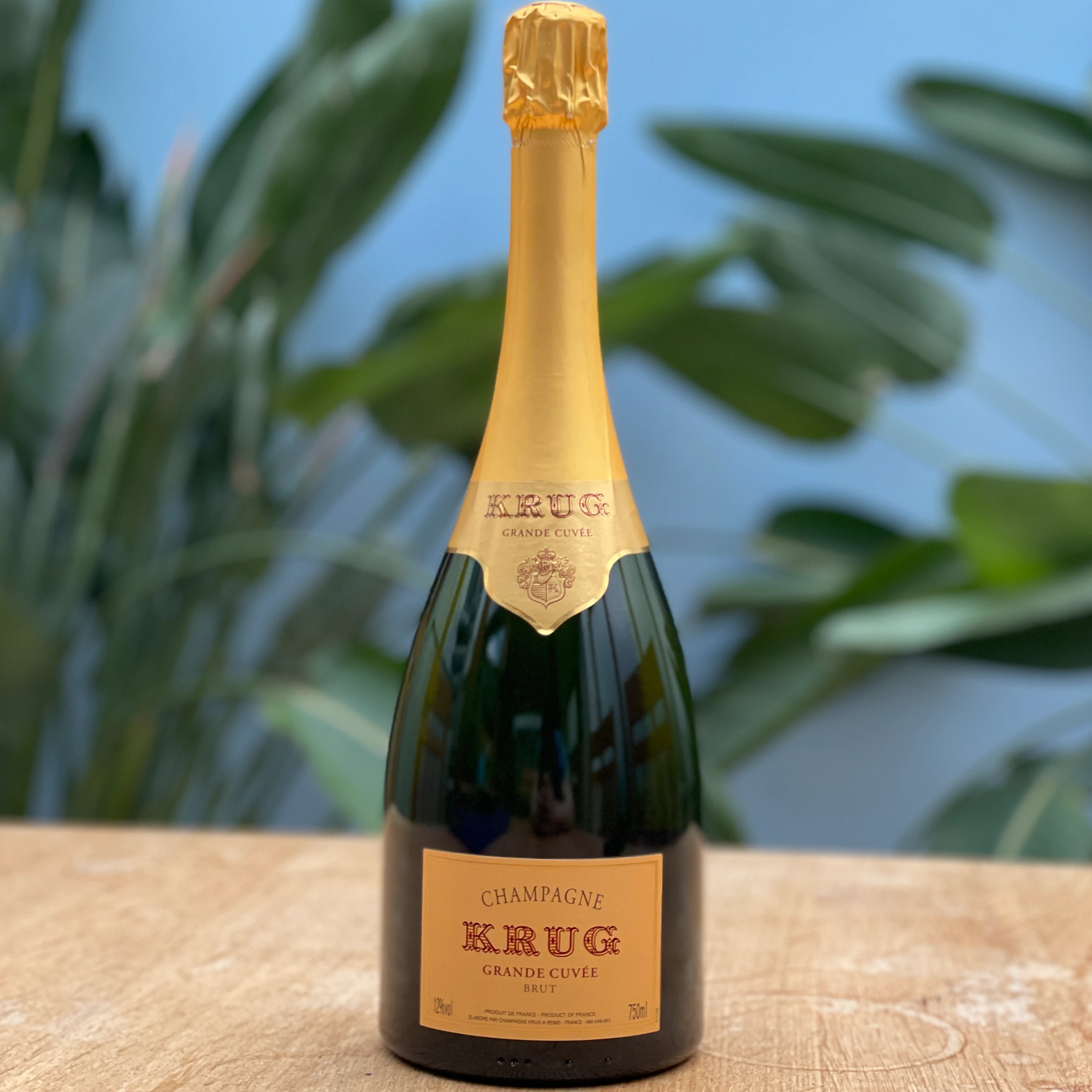
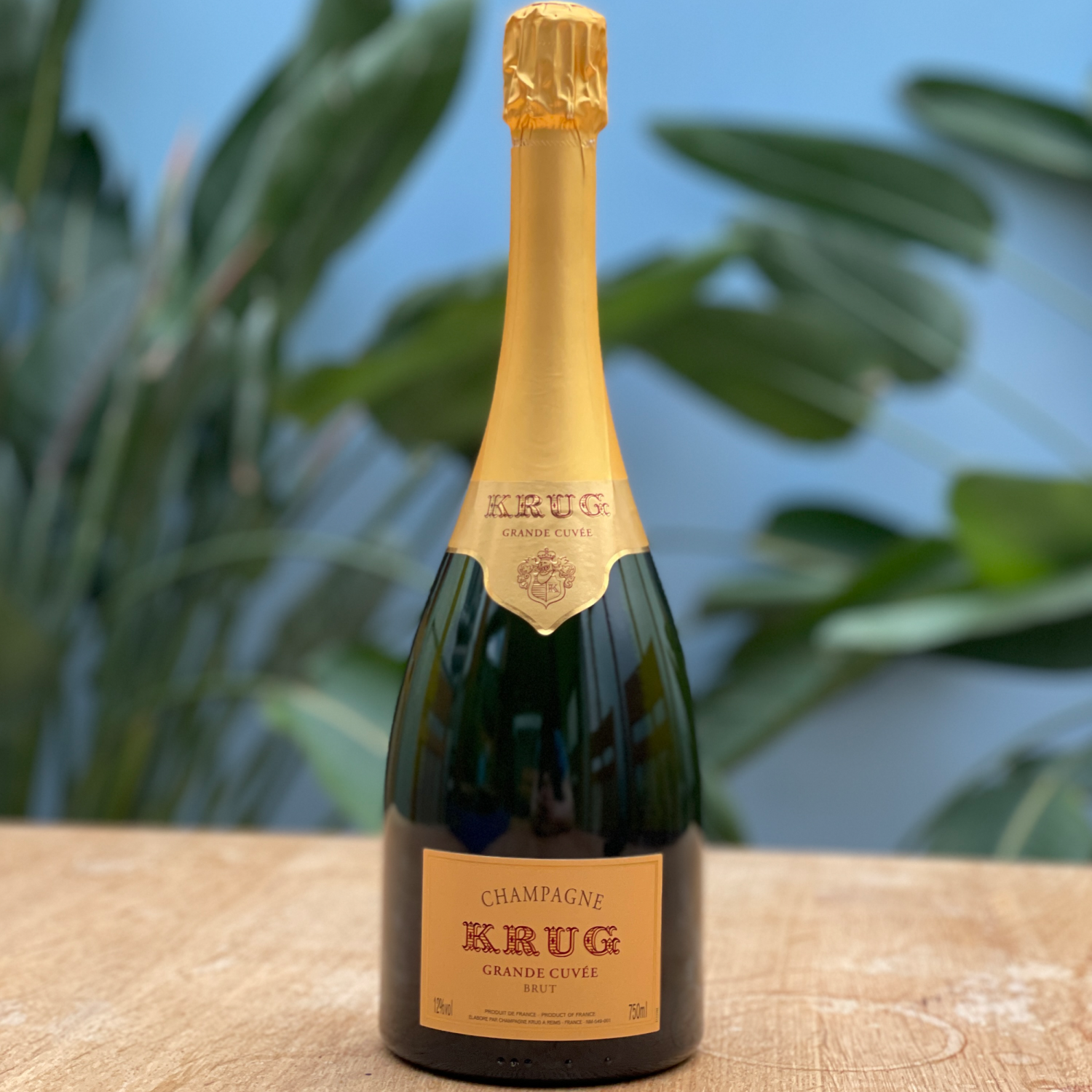
Krug Grande Cuvée is born from the dream of one man, Joseph Krug, to craft the very best Champagne he could offer, every single year, regardless of annual variations in climate. Since 1843, the House of Krug has honoured this vision with each new Édition of Krug Grande Cuvée. Unlike other Maison’s the wines needed for their NV are selected first, in the spring following the harvest. Then Krug considers the elements they want to keep from the last harvest for their reserves and finally they decide if they have the right components to make a vintage from that year. Often in great vintages like 2012 they decide they want more of the great wines in their reserve program rather than make a Krug 2012.
“Every year since the foundation of the House, a new Edition of Krug Grande Cuvée is created, every year the inspiration will be the same, but the creation will be totally unique and different.” Olivier Krug
This is the 159th creation of Krug Grande Cuvée. Based on 2003, it is a blend of 120 wines from ten vintages: the oldest being 1988 and the youngest 2003. Reserve wines in this Edition - particularly those from 1996 and other truly great white wines from more recent years - give spark and vitality to the final assemblage.
Krug ID:
211021 | Each bottle of Krug has a Krug ID on the back label which enables you to discover the story of that very bottle. You can do so using the smartphone App or on the Krug website.
Technical Information:
Vineyards: Predominately Premier & Grand Cru
Grape Varieties: 51% Pinot Noir, 30% Chardonnay, 19% Meunier
Base Vintage: 2003
Reserve Wine: 37%
Lees Ageing: 6 years
Disgorged: February 2011
Dosage: 6 g/l
Alcohol: 12%
Drink: Now to 2034+
Tasting Note: Big powerful upfront nose with loads of cream and brioche. Hints of ginger spice. Soft mousse with bundles of citrus, lemon and tangerine notes. Ripe tropical pineapple and guava on the finish. Good balance acidity and lovely length. Bravo!
Just five years after Joseph Krug founded his eponymous Champagne House in 1843, he documented his great vision for Krug in a cherry-red leather notebook. In it, he revealed the principles of creating a champagne of incredible richness yet great elegance, of selecting only the finest elements from the greatest terroirs, rejecting mediocre fruit and making both a non-vintage and a vintage cuvée - revolutionary at the time. Discovered in 2010 by current House Director and sixth generation of the founding family Olivier Krug, the ideals in this notebook and Krug's resolute commitment to them have secured their position as the most luxurious and exclusive of all Champagne producers.
Unlike other Champagne Houses, Krug's range consists of prestige cuvées only. Their iconic non-vintage Grande Cuvée is a masterful blend of some 120 wines, vintage Krugs are renowned as true classics, majestically displaying the characteristics of each harvest and their unique and exclusive single-vineyard champagnes, Clos du Mesnil and Clos d'Ambonnay are the ultimate rarities. The recent introduction of ID codes displayed on the back of every bottle - revealing base year, disgorgement periods and product information - has helped revise the vision of Krug in line with the great founder's philosophy.
Cellar Master:
Julie Cavil
Winery Location: Reims | Champagne, France
Champagne Region:
Montagne de Reims
Annual Production (bottles): 760,000
Chef de Cave History at Champagne Krug:
Julie Cavil - January 2020 to current
Julie Cavil is the current Cellar Master of Champagne Krug — and the first woman to hold that role. After starting her career in advertising, she retrained in oenology in Champagne and joined Krug in 2006, becoming Chef de Caves in 2020. Known for her humility, precision, and respect for Krug’s “one plot, one wine” philosophy, she oversees the blending of hundreds of base wines each year to recreate Krug’s signature style. Cavil balances tradition with innovation, focusing on sustainability and creative projects while preserving the founder’s vision of crafting the finest Champagne every year, regardless of vintage conditions.
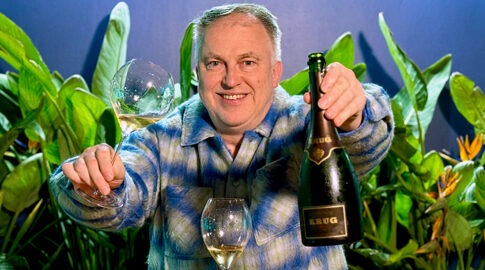
Eric Lebel - 1999 - 2019
Eric Lebel joined Krug in 1999 as Chef de Cave. He was described as “Mozart of bubbly". Under his leadership the house expanded its reserve-wine library (for example, tripling from ~50-60 reserve wines in earlier years to 150+). He emphasised the preservation of individuality of plot, rigorous tasting, and refusing wines that did not meet house standards.
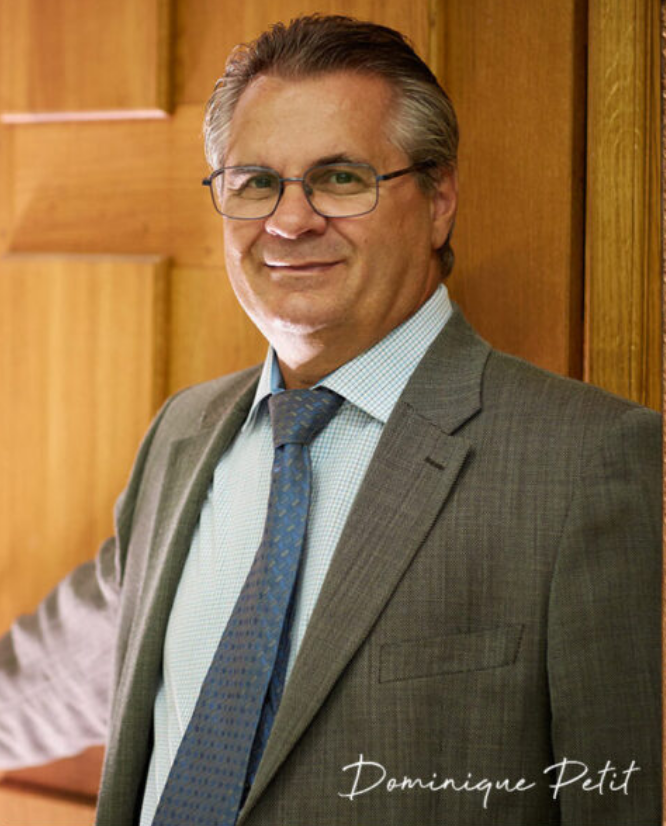
Dominique Petit - 1979 - 1999
Dominique Petit is a original Champenois. He was born in Verzy in 1954. Coming from a family of winegrowers, he studied at the Lycée Viticole d’Avize and the University of Reims, earning his oenology diploma at 23. Petit joined Champagne Krug in 1979, where he spent 20 years overseeing production under Henri and Rémy Krug. His tenure marked a bridge between Krug’s family-run era and its modernisation before LVMH ownership. In 1999, he became Chef de Cave at Pol Roger.