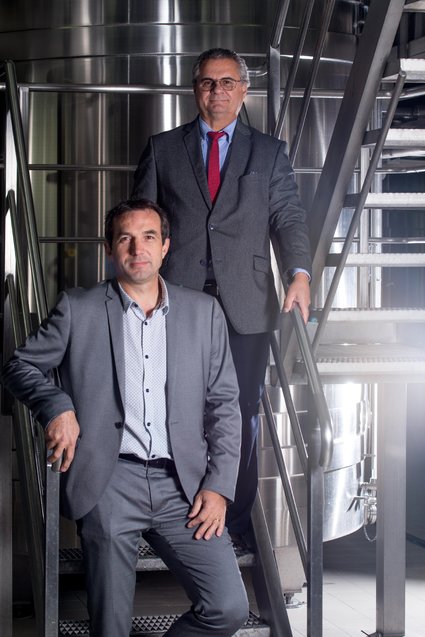
Pol Roger was just nineteen when he founded his estate in 1849. Still a family-run enterprise, fifth generation Hubert de Billy is one of the descendants who manage the House today. With 89-hectares of vineyards supplying half of their grape requirements and illustrious premises containing immaculate facilities including pristinely polished stainless-steel tanks. Today they own 92 hectares of vineyards and its cellars in Epernay, just off the Avenue de Champagne run for 7.5 kms, 34 metres below the ground at a constant 9 Celsius.
Remarkably, a small team of less than ten complete everything in the cellar by hand and Pol Roger boast four of the region's remaining fifteen riddlers, who impressively turn over 60,000 bottles a day. Indeed, it is this style and their respect for tradition that initiated Sir Winston Churchill's lifelong attachment to Pol Roger, who famously insisted: "In defeat I need it, in victory I deserve it." Today, their prestige cuvée is named in honour of the great man.
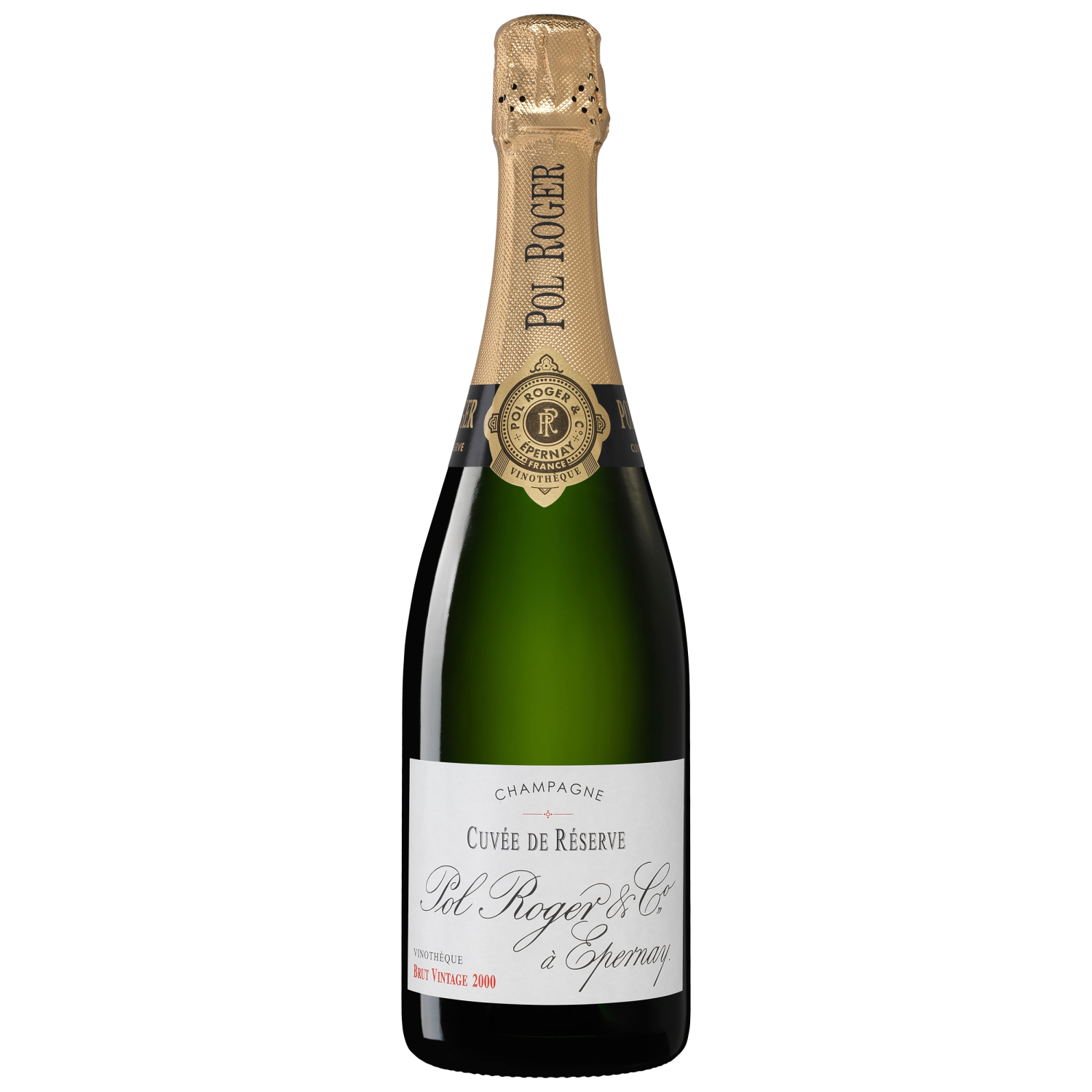
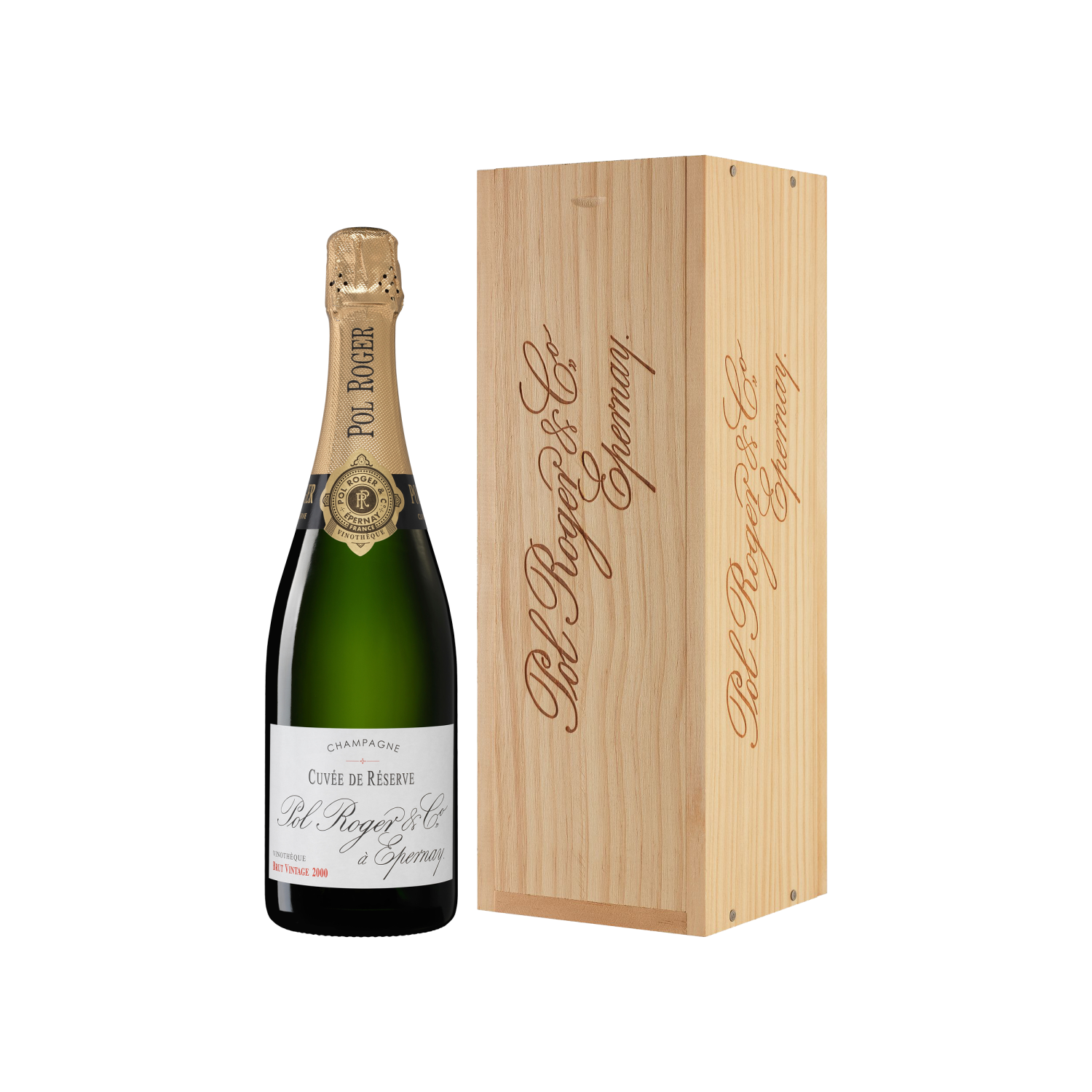
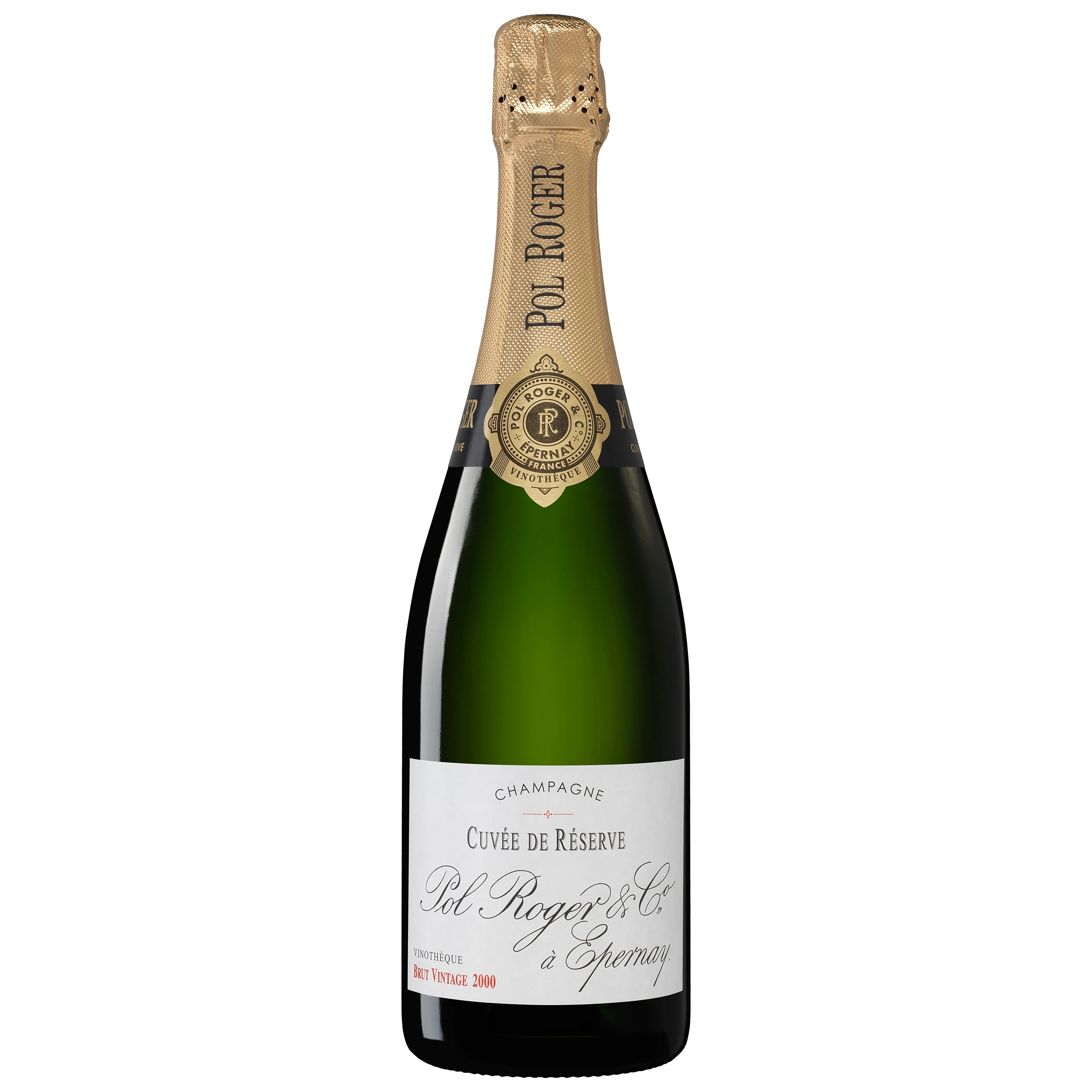
To mark the 175th anniversary and the inauguration of the new winery, Pol Roger is presenting its new project: the Vinothèque.
“Disgorged at the same time as the first release of these wines, the bottles were then returned to mature further in the deepest Pol Roger cellars, situated 33m below street level and at a constant 9C throughout the year without being moved before their final release from the cellars. With these wines, our intention is to offer a fascinating new expression, combining power and freshness in perfect harmony. And we felt that there was simply no better place and conditions for completing this extra-aging than where they come from.” — Damien Cambres, Cellar Master
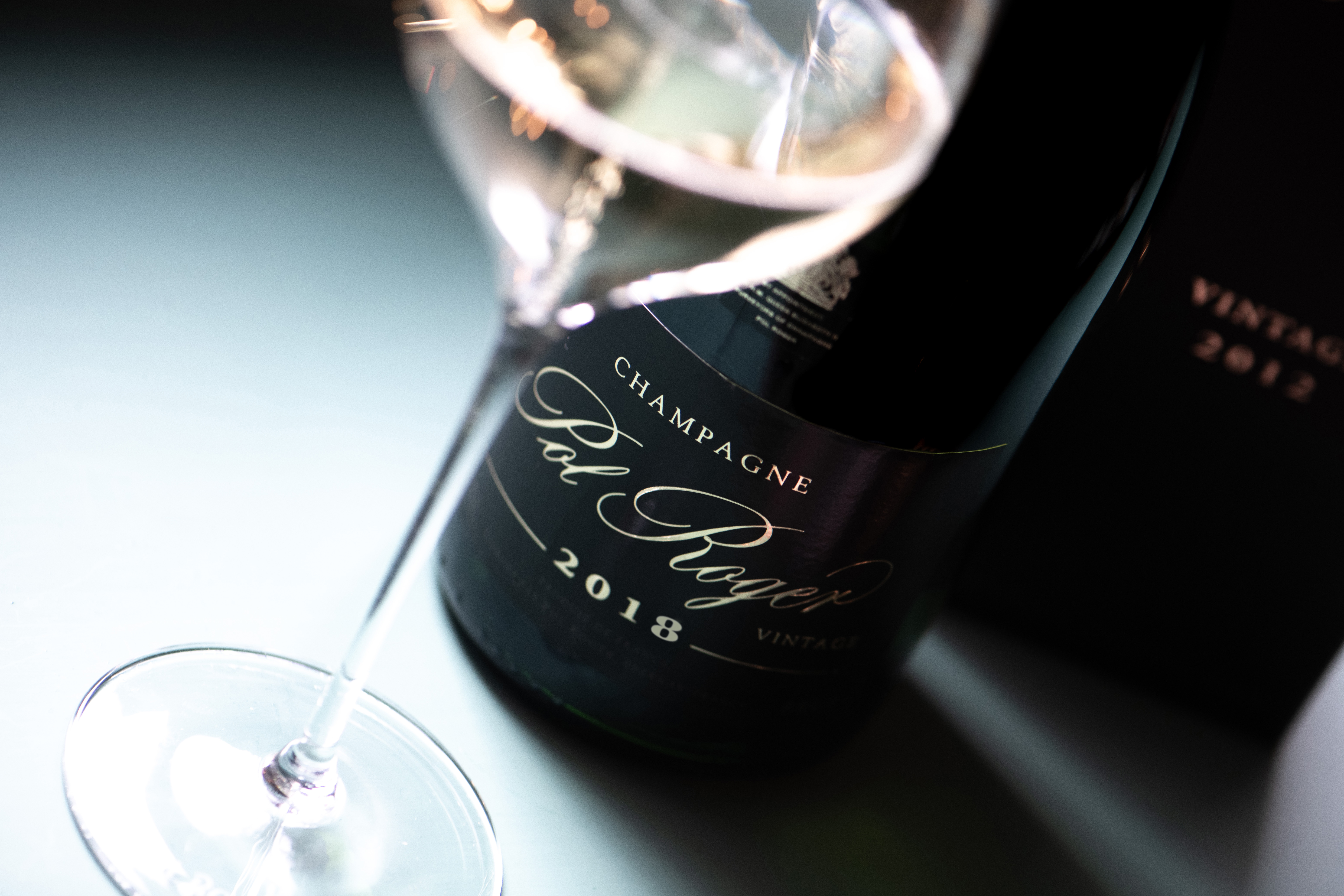
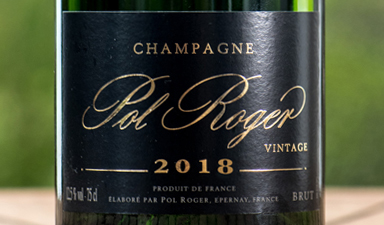
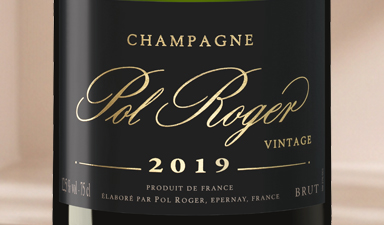
Pol Roger Brut Vintage is produced in limited quantities using the traditional House blend from twenty Grand and Premier Cru vineyards in the Montagne de Reims and the Côte des Blancs. Second fermentation takes place in the coolest Pol Roger cellars, thirty-three metres below ground level at temperatures of just 9°C, some 2-3°C cooler than the cellars of other producers. The cooler cellars slow down bottle fermentation, producing a champagne with finer bubbles, a characteristic for which these small production releases of Pol Roger are known for.
Weather in 2000: The year of the millennium provided plenty of challenges with a dry May and severe hail in July. A fine Indian summer helped the vintage "come right" at the last minute, with warm and dry weather remaining until the end of the harvest.
Technical Information:
Vineyards: Twenty Cru Primarily Montagne de Reims & Côte des Blancs
Grape Varieties: 60% Pinot Noir & 40% Chardonnay
Lees Ageing: 10 years
Disgorged: November 2011
Released: 2024
Dosage: 8 g/l
Drink: Now to 2036
Tasting Note: The nose expresses notes of dried fruits, toasted brioche, and honey, enriched with touches of sweet spices and vanilla. On the palate, this champagne is both powerful and balanced, with flavors of pear, hazelnut, and a hint of caramel. The finish, of exceptional length, is marked by beautiful minerality.
Pol Roger was just nineteen when he founded his eponymous estate in 1849. Still a family-run enterprise, fifth generation Hubert de Billy is one of the descendants who manage the House today, ensuring they remain fiercely independent and unrivalled in their reputation for quality. With 89-hectares of vineyards supplying half of their grape requirements and illustrious premises containing immaculate facilities including pristinely polished stainless-steel tanks that reflect shiny tiles and snow-white surfaces, their success is a consequence of incredibly personal attention to detail. In 1955 the family started acquiring vineyards, today they own 92 hectares. Their own grapes are just over 50% of their needs, requiring them to work with many growers from many villages. Its cellars in Epernay are just off the Avenue de Champagne run for 7.5 kms, 34 metres below the ground at a constant 9 Celsius.
Remarkably, a small team of less than ten complete everything in the cellar by hand and Pol Roger boast four of the region's remaining fifteen riddlers, who impressively turn over 60,000 bottles a day. The House use no oak in the winemaking process and their double cold-settling of the grape juice contributes to the pure-fruity style of their champagnes. Indeed, it is this style and their respect for tradition that initiated Sir Winston Churchill's lifelong attachment to Pol Roger, who famously insisted: "In defeat I need it, in victory I deserve it." Today, their prestige cuvée is named in honour of the great man.
Cellar Master:
Damien Cambres - March 2018 to present
Winery Location: Épernay | Champagne, France
Champagne Region:
Côte des Blancs
Annual Production (bottles): 1,800,000
Chef de Cave History at Champagne Pol Roger:
Damien Cambres - March 2018 to present -
Damien Cambres took over as Cellar Master on Monday April 2nd 2018, at forty-three he succeeds Dominique Petit who retires after 19 years at Champagne Pol Roger. Damien was born in Châlons-en-Champagne and completed the national diploma in oenology. Before joining Pol Roger he spent 20 years in champagnes co-operative business, 1997 to 2012, with Nicolas Feuillatte, before joining Gouttes d’Or Union as production manager then general manager, until 2017 when he joined Pol Roger as Director of Production in April 2017. For the next 12 months he worked with his predecessor Dominique Petit understanding the know-how and philosophy of the family-owned company.
Dominique Petit - Spring 1999 & retired in March 2018
Dominique studied oenology for seven years; Beaune Wine College in 1970 to 1971, Wine College of Avize from 1971 to 1973 and finally at the Faculty of Science in Reims from 1973 to 1977. His first vintage of his professional career was 1979, he comments "Maturity was spectacular with a purity that was extraordinarily beautiful. The wines were all without exception wonderful, and the few remaining examples in the cellars are still the same." This first role was at Champagne Krug, where he stayed for 20 years, part of the winemaking team and becoming Director of Production. Much of early years with Champagne Pol Roger, from 2001 to 2013 he oversaw a major refurbishment of the winery, enlarging the cellar space for settling, blending and vinification. In addition he introduced smaller tanks from 20 hl to 160 h/l , allowing him to keep smaller parcels of the best wines separate for the vintage and Churchill cuvée.
James Coffinet - 1985 to Spring 1999 - Recruited by Christian de Billy from Billecart-Salmon where he was Cellar Master. With Christian's oversight, James introduced double débourbage, longer periods of cold settling the must, twice for between 24-48 hours at 6 Celsius followed by a cooler fermentation. These were practices borrowed from the brewing industry and used at Champagne Billecart-Salmon where he previously worked. Coffinet was considered one of the best winemakers of his generation.
Chef de Cave History at Champagne Pol Roger:
Damien Cambres - March 2018 to present -
Damien Cambres took over as Cellar Master on Monday April 2nd 2018, at forty-three he succeeds Dominique Petit who retires after 19 years at Champagne Pol Roger. Damien was born in Châlons-en-Champagne and completed the national diploma in oenology. Before joining Pol Roger he spent 20 years in champagnes co-operative business, 1997 to 2012, with Nicolas Feuillatte, before joining Gouttes d’Or Union as production manager then general manager, until 2017 when he joined Pol Roger as Director of Production in April 2017. For the next 12 months he worked with his predecessor Dominique Petit understanding the know-how and philosophy of the family-owned company.
Dominique Petit - Spring 1999 & retired in March 2018
Dominique studied oenology for seven years; Beaune Wine College in 1970 to 1971, Wine College of Avize from 1971 to 1973 and finally at the Faculty of Science in Reims from 1973 to 1977. His first vintage of his professional career was 1979, he comments "Maturity was spectacular with a purity that was extraordinarily beautiful. The wines were all without exception wonderful, and the few remaining examples in the cellars are still the same." This first role was at Champagne Krug, where he stayed for 20 years, part of the winemaking team and becoming Director of Production. Much of early years with Champagne Pol Roger, from 2001 to 2013 he oversaw a major refurbishment of the winery, enlarging the cellar space for settling, blending and vinification. In addition he introduced smaller tanks from 20 hl to 160 h/l , allowing him to keep smaller parcels of the best wines separate for the vintage and Churchill cuvée.
James Coffinet - 1985 to Spring 1999 - Recruited by Christian de Billy from Billecart-Salmon where he was Cellar Master. With Christian's oversight, James introduced double débourbage, longer periods of cold settling the must, twice for between 24-48 hours at 6 Celsius followed by a cooler fermentation. These were practices borrowed from the brewing industry and used at Champagne Billecart-Salmon where he previously worked. Coffinet was considered one of the best winemakers of his generation.